Bootstrap
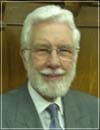
Stephen Hyde

The Spirit of the New Man

Romans 7:24-25
Stephen Hyde June, 14 2026 Video & Audio
0 Comments

The sermon titled "The Spirit of the New Man" by Stephen Hyde addresses the theological topic of the internal conflict between the flesh and the spirit, as articulated in Romans 7:24-25. Hyde argues that, like the Apostle Paul, believers experience a daily battle between their sinful nature and the new nature granted by the Holy Spirit. He references Paul’s confession of his struggle with sin, emphasizing that true deliverance comes solely through Jesus Christ and the transformative work of the Holy Spirit. Scriptures such as Romans 7:24-25 and 8:1 highlight the necessity to choose spiritual obedience over fleshly desires, illustrating the practical significance of spiritual perseverance and dependency on God's grace for righteous living.

Key Quotes

“O wretched man that I am, who shall deliver me from the body of this death? I thank God through Jesus Christ our Lord.”

“In me that is in my flesh dwelleth no good thing.”

“For to be carnally minded is death; but to be spiritually minded is life and peace.”

“So then they that are in the flesh cannot please God.”

What does the Bible say about the battle between the flesh and the Spirit?

The Bible acknowledges a continuous struggle between our sinful flesh and the Spirit of God, particularly in Romans 7.

In Romans 7, the Apostle Paul articulates the internal conflict that believers experience. He laments, 'O wretched man that I am! Who shall deliver me from the body of this death?' This sentiment reflects the struggle between our desire to live righteously according to the Spirit and the pull of our sinful nature. Paul explains that while he desires to serve the law of God with his mind, he finds himself acting according to the law of sin with his flesh. This illustrates the Christian's dual nature, where the Spirit seeks after God, but the flesh continues to be drawn toward sin, resulting in an ongoing battle throughout this life.

Romans 7:24-25

How do we know eternal life comes from the Spirit?

Eternal life is affirmed as a gift from the Spirit, as believers are led by the Spirit of God into righteousness.

According to Romans 8, the Apostle Paul emphasizes that 'to be spiritually minded is life and peace' and that 'if you live after the flesh, you shall die.' The transformative work of the Spirit allows believers to experience eternal life, as they are no longer captives to sin but are led by the Spirit towards righteousness. This indicates that the evidence of being filled with the Spirit includes a desire for and the ability to live in ways that glorify God. Thus, eternal life is intrinsically linked to the work of the Holy Spirit in guiding and empowering believers in their daily lives.

Romans 8:6-14

Why is understanding our sinful nature important for Christians?

Recognizing our sinful nature helps Christians appreciate the grace of God and the necessity of Jesus Christ for salvation.

The acknowledgment of our sinful nature is crucial for Christians, as articulated in Romans 7:18 where Paul states, 'For I know that in me, that is, in my flesh, dwelleth no good thing.' This understanding is foundational for recognizing our complete dependency on God's grace through Jesus Christ for deliverance from sin. When believers grasp how deeply entrenched sin is in our flesh, it leads to a humble and contrite heart, fostering a sincere dependence on Christ's righteousness rather than self-righteousness. Furthermore, this awareness encourages believers to pursue holiness and to seek the guidance and empowerment of the Holy Spirit in their daily lives.

Romans 7:18, Romans 8:1-2

What is the significance of being led by the Spirit?

Being led by the Spirit signifies that a person is a true child of God, marked by an inner transformation and the pursuit of holiness.

In Romans 8:14, Paul states, 'For as many as are led by the Spirit of God, they are the sons of God.' This significant declaration indicates that the leading of the Spirit is a defining characteristic of true believers. It reflects a divine transformation in which one's desires and actions align with God's will. Being led by the Spirit entails an active engagement in yielding to the Spirit's influence, making conscious choices that reflect God's character, and pursuing a life that honors Him. This not only reassures believers of their identity as children of God but also empowers them to resist the temptations of the flesh, contributing to their spiritual growth and maturity.

Romans 8:14

Sermon Transcript

Auto-generated transcript • May contain errors

100%
May it please Almighty God to bless us together this morning as we meditate in His Holy Word. Let's turn to the Epistle of Paul to the Romans and chapter 7, and we'll read the last two verses, 24 and 25. The Epistle of Paul to the Romans, chapter 7, and reading verses 24 and 25.

So the Apostle Paul writes, O wretched man that I am, who shall deliver me from the body of this death? I thank God through Jesus Christ our Lord. So then, with a mind I myself serve the law of God. but with a flesh the law of sin. We should be thankful that God in his love and mercy to the Church of God has granted that the Apostle Paul should write this epistle to the Romans which deals very graciously and wonderfully, really, with the work of the Spirit of God.

And here we have in this seventh chapter, the Apostle really explains to us the battle there is between our flesh and the Spirit of God, left to ourselves Our flesh is indeed sinful and produces sinful thoughts and sinful words and sinful actions. And we can perhaps appreciate a little of what the Apostle tells us in this seventh chapter, where he goes through the position and tells us Wherefore, my brethren, ye also are become dead to the law by the body of Christ. That ye should be married to another, even to him who is raised from the dead, that we should bring forth fruit unto God. It sets before us very directly the need there is to be fruitful in the things of the law, and to be part of the body of Christ and not left to ourselves. And he tells us, for when we were in the flesh, the motion of sins, which were by the law, did work in our members to bring forth fruit unto death. Not fruit unto a time of blessing, but we followed that which our flesh went after.

Now the flesh and the spirit really set before us the difference between those who know the newness of life being born again of the spirit of God and possess that new nature, that nature that seeks after the things of God and the battles against the efforts of Satan to rule our lives through the things of the flesh, those things which naturally attract our old nature rather than the things which are of the Spirit of God. So the Apostle goes through it in this seventh chapter to explain the difference and the necessity of being amongst those who are spiritual. He confesses the situation, he tells us in the 14th verse, for we know that the law is spiritual. And then he confesses, but I am carnal, fleshly, sold under sin.

It's wonderful, isn't it, that we have a man of God like the Apostle Paul, who knew both sides. He knew his old nature, and he knew his new nature, and was able to put it into words to show to us the need that we have to concentrate on our new nature, that God-given nature, that spiritual nature, rather than satisfying our flesh. There's always that battle. There always will be. I believe this side of the grave. The devil is always very active to try and turn us away from the things of God and to turn us unto the things of the flesh. Well, what a mercy it is that we have a God who deals with us graciously and in love to our souls.

And the apostle Paul, he goes on and tells us For that which I do, I allow not. For what I would, that do I not. But what I hate, that do I. It's a very honest statement, isn't it? But I wonder how you and I think of such words. We find an echo there in our lives. and realize how the devil was very active to turn us away from the things of God. Well, says the apostle, let me read it again.

For that which I do, I allow not. For what I would, that do I not. But what I hate, that do I. We see there, don't we, very clearly the battle between what we term our old nature, our old man, and our new nature, that which is born again in the Spirit. And how wonderful it is if the Holy Spirit has shown us the difference and shown us how we should act and what we should do and what we should say. So the apostle goes on, for that which I do, I allow not. For what I would, that do I not, but what I hate, that I do.

If then I do that which I would not, I consent unto the law that it is good. Again, it's wonderful if you and I are given grace to understand that. and to work it out and to follow it out. Do not be surprised at the difficulty and the battle it is because we have a great adversary, the devil, who goes about as a roaring lion. That means he's very active and tries to frighten us away from changing, frighten us away from doing those things which are good. and encouraging us to do those things which are wrong. If then I do that which I would not, I consent unto the law that it is good, which it is.

And then he says, now then, it is no more I that do it, but sin that dwelleth in me. You see, that sinful nature. We all have a sinful nature. We're born in sin. and shape and iniquity. But what a great blessing it is if God has caused us to ponder and consider and realize the vast difference between the things of the flesh and the things of the spirit. To realize the things of the flesh would indeed perish. We'd have to leave them all behind. We can't take anything with us out of this world. But the things of the Spirit of God are eternal. And what a mercy, therefore, if you and I are being led by the Spirit of God and that we have the wonderful influence in our heart.

And so if then I do that which I would not, I consent unto the law that it is good, which it is. Now then, it is no more I that do it, but sin that dwelleth in me. Well, it's a wonderful favour if, as the Lord showed the Apostle Paul, remember he had a wonderful upbringing at the feet of Gamaliel, where he was instructed in the great truths of God, and yet, you see, he was left to himself And what did he do? He acted contrary to the things of God. He did all that he could to turn people away from the truth of God, to imprison them, and in some cases to have their lives taken until that great and wonderful day in the life of the Apostle Paul, when he was on that Damascus road with wrong intentions, Devil influenced intentions, but the appointed time in his life had come, as the hymn writer says, not to propose, but call by grace, the free unmerited favor of God. And what an effect it had in the life of the Apostle Paul.

There was a great change. The light shone into his heart, and we're told, he tells us, above the brightness of the midday sun was so bright, and the effect was he fell to the ground, and all those with him fell to the ground, and he prayed, what will thou have me to do?

Submitting himself under the power the Spirit of God, not following his own will, submissive to God's will. What is that? It's the work of the Holy Spirit. Left to ourselves, we don't want to submit to God's will, because God's will will turn us away from our fleshly desires, from the things which please our natural being, our flesh, and we hang on to them. But what a mercy when God comes and turns us away from those desires. And it's by His Spirit, and the work of His Spirit, and it's a wonderful blessing. And to have that same conscious desire that Paul had on that Damascus road, and was willing to do God's will, what wilt thou have me to do?

What a change. What a mercy, therefore, for you and me. If we know that change in our lives, there's only one person that knows that, and that's yourself. People may look and they may see a change, but the reality is that you and I need to know ourselves, so that we can recognize, as the Apostle goes on to tell us, for I know that in me, that is in my flesh, dwelleth no good thing. No good thing. Again, that's the work of the Holy Spirit.

We like to think well of ourselves. We like to think we're doing good things. But it's a wonderful mercy when God comes and shines into our heart and reveals to us our motives, our motives. And are those motives God honoring or are they self honoring? Well, Naturally, we look to self. By the Spirit of God, we desire that He might be raised up and honoured and glorified.

And so the Apostle says, for I know. And again, remember, he wrote this epistle sometime after his conversion, and the Lord had been with him and directed him and taught him. And that's why he's able to say, for I know God had shown him, and what a blessing, my friends, for you and me, if God has shown us the same truth.

For I know that in me that is in my flesh dwelleth no good thing. And if you think about that carefully, if you concur with that, if you agree with that, It's because of the work of the Holy Spirit. We don't like to really confess such things, and yet what a mercy it is when God shows us quite clearly the truth of it. And so he goes on, for to will is present with me, but how to perform that which is good, I find not.

What's he doing here? He's explaining the battle that we have between the flesh, our old nature, and the spirit, our new nature. And it's the evidence, if there's a battle, there's the evidence that God is working. that God is causing us to consider our ways. It's His work. And so, for to wit is present with me, but how to perform that which is good, I find not.

And he goes on and explains it a bit further. Again, which is good for us to just notice for the good that I would I do not. He had a desire to do that which is good, and yet he didn't do it. He didn't do it. It's a confession, isn't it? For the good that I would, I do not.

But the evil which I would not, that I do. See, he recognizes but left to himself, he follows the temptations of the devil, and does that which is not good, and follows that which is wrong. Again, how wonderful it is to think that Almighty God came and directed the Apostle Paul to understand the great difference that the Lord wrought in his heart, and is able to documented in the Word of God so that we today are able to trace out the difference and look into our own heart and discern where we stand with regard to these great issues. And so he tells us, for the good that I would, I do not. For the evil which I would not, that I do.

Now if I do that, I would not, it is no more I that do it, but sin that dwelleth in me. O thou hideous monster sin, what a curse hast thou brought in. How wonderful when the Holy Spirit shows us the truth of such words. It is no more I that do it, but sin that dwelleth in me. We're born in sin and we're shapen in iniquity.

We dare not think that there's any goodness in us naturally. As the apostles told us, in me that is in my flesh dwelleth no good thing. That's a very comprehensive statement, isn't it? No good thing. And it's the mercy of God has shown you me that. in ourselves, in our flesh, in our own understanding. We're evil. There's no good thing. Now, if I do that, I would not. It is no more I that do it, but sin that dwelleth in me. I find in the law that when I would do good, evil is present with me.

For I delight in the law of God after the inward man, that's his new nature. He understands that. And again, it's good if the Spirit of God shows us these things, you and me, that we can trace out our lives alongside that of the Apostle Paul and understand what he's saying and the reality of it, to realize that it's not just figments of imagination. It is the very work of the Holy Spirit. And so I find in the law that when I would do good, evil is present with me.

For I delight in the law of God after the inward man. Well, again, it's good to analyse our thoughts on that, isn't it? To see whether we delight in God's law. We delight to do His will. I delight in the law of God after the inward man. But I see another law in my members. Again, he was given grace to examine himself, examine what was in his heart and to confess it.

I see another law in my members, warring against the law of my mind and bringing me into captivity to the law of sin, which is in my members. Well, what a mercy of God shows us also this great truth. There is that warfare against the law of our minds. Warfare, my friends, that warfare doesn't cease. We sometimes think perhaps it'll disappear. Well, the devil won't give up this side of the grave.

Be sure of that. you and I will have to battle on, but we can invoke the help of Almighty God to give us that strength to turn against the temptations of Satan, to not listen to the words that he wants us to speak, the words which perhaps are just pleasing to our flesh, but do not bring honor and glory to God.

And so says the Apostle Paul, but I see another law in my members, warring against the law of my mind and bringing me into captivity to the law of sin, which is in my members. Captive by sin, captive by the insinuations of Satan, doing those things which are wrong, pleasing to the devil, And that's why the apostle then comes and cries out, cries out, O wretched man that I am. That's the work of the Spirit of God. And that's a great blessing.

If the Spirit of God brings you and me there, as we look at ourselves and we look at our failures, We look at the things that we've said which we should not have said. The things which we've done which we should not have done. The things that we've thought about that we should not have thought about. We come and have to confess and cry out with the Apostle Paul, oh wretched man that I am.

How wonderful isn't that? That God has recorded Such cries from the Apostle Paul, a man of God, a man wonderfully blessed, and then a man walking the same path as you and I. And therefore, able to cry out, O wretched man that I am. Well, we need to ask ourselves the question, don't we? Have we been there? Are we there? Do we cry out? Oh, wretched man that I am.

Because of our thoughts, our words, our actions, many things can all meet against the things of God. And so he asks, oh, wretched man that I am. And he asks this great question, who shall deliver me from the body of this death? He realized he had a sinful nature. He tells us what it is, the body of this death. Again, he didn't claim to be a righteous man. He didn't claim any good in himself. He recognized how bad he was. And he asked the question, how he would be delivered, how he would be delivered.

Well, he tells us, he tells us, I thank God. I thank God. And you and I will have to stand on the same ground against the work of the spirit and say, oh, wretched man that I am, who shall deliver me from the body of this death? I thank God. Through Jesus Christ, our Lord. Well, he knew where to go, didn't he? What a mercy if you and I know where to go. You look back, no doubt, to that time on Damascus Road where Jesus told him he was persecuting the Lord Jesus Christ. He realized, yeah, he was the man.

Thou art the man. Don't look anywhere else. Don't look at your neighbor. Don't look round about. Thou art a man condemned before a holy God. And so the apostles, able to come and say, with regards to deliverance, where should he look? Only one place. Only one place for you and me today. The same place that the apostle looked.

I thank God through Jesus Christ our Lord. So what do you and I think today of Christ? What thinking of Christ is the test? How great it is and how wonderful it is and what a blessing it is if perhaps we've been like the Apostle Paul and we've had to cry out, O wretched man that I am. And we look for deliverance. and we found it in what Christ has done. I thank God through Jesus Christ our Lord.

What a deliverance, what mercy, what a favour to be found there. You see the Apostle Paul didn't claim any virtue himself. He didn't say, well, of course, I turned to the Lord and I did this and did that. No, he gives all the honor and glory to his God. And I thank God through Jesus Christ, our Lord.

And then he says, so then, with a mind, I myself serve the law of God, but with the flesh, the law of sin. Clearly defines the difference, doesn't he? What a mercy gained God has shown you and me, the difference. The difference between the flesh and the spirit. So then with the mind, I myself serve the law of God, that which is good and right and holy, but with the flesh, the law of sin.

Our flesh is very strong. Don't underestimate Satan's power. Don't underestimate that you and I can stand firm ourselves and never reach that conclusion and say, well, I wouldn't do that. That's the most dangerous statement to make because left to ourselves, We would do every sin and confess everything which is wrong. That's why the Apostle Paul was able to tell us, or sorry, the Apostle Peter was able to tell us, kept by the power of God.

How adamant was Peter when the Lord told him he would deny him those three times. He was adamant he wouldn't. He said he would even die for him. the extent and the final statement. But it was only a few hours later that he was denying his Lord and master. My friends, don't draw a conclusion in your own strength. Never say, I wouldn't do that. Say, by the grace of God, I won't do that.

Left to ourselves, we will do it. that God's grace can keep us, and God's grace can strengthen us, and God's grace can bring us into that same opinion that the Apostle Peter said, kept by the power of God. And that's a very humbling path to walk, when we realize that God, in his love toward us, has kept us, kept us from saying nasty things, kept us from saying evil things, kept us from even thinking wrong things, and kept us from doing wrong things. It's the goodness of God. We're told, are we not, the goodness of God leads us to repentance. So it is. And what a mercy when God does bring us into that situation so that we fall down and acknowledge He is our Lord and Master.

And as the Apostle cried out on that Damascus road, Lord, what will thou have me to do? Completely open-minded to the will of Almighty God. Not wanting to say, can I do this or can I do that? No. fell down, what wilt thou have me to do? Humble submission to the power of Almighty God. Well, the Apostle thankfully goes on.

And I always think we should never end this chapter. Of course, as you young people may know, in the original, there were no chapters and no verses. It just flowed through. So there was no division. But men have put divisions. Some of them are quite helpful, some of them are not. And this one I don't think is particularly helpful.

But it goes on to say, having told that I myself serve the law of God, but with the flesh the law of sin, he then says, there is therefore now, having confessed this situation, there is therefore now no condemnation to them who which are in Christ Jesus, who walked not after the flesh, but after the Spirit.

He knew the secret, my friends. And what a blessing if you and I know the Spirit of God upon us, that we walk not after the flesh. You see, walking after the flesh usually is pleasing to the flesh. but walking after the Spirit is pleasing to Almighty God. Vast difference, isn't it? Vast difference. For the law of the Spirit of life in Christ Jesus hath made me free from the law of sin and death.

For what the law could not do, in that it was wheat for the flesh, God sending his own Son in the likeness of sinful flesh, and for sin condemn sin in the flesh, that the righteousness of the law might be fulfilled in us who walk not after the flesh, but after the Spirit.

What a wonderful blessing it is if God gives you and me grace to humbly desire to walk after the Spirit's direction, the Spirit's leading, and not after what our flesh wants to do. You know, the flesh doesn't bring honor and glory to God, does it? But you see, if we're following the Spirit's direction, that's what brings honor and glory to God. And often, you and I want honor and glory ourselves. God is a jealous God, don't forget that. God needs and wants the honor and glory for himself. And what a mercy, therefore, to have that Spirit of God given to us so that we're able to direct our lives in that God-honoring way.

Just like the apostles are able to declare here in this statement and tell us very clearly for what the Lord could not do And then it was weak through the flesh, God, sending his own Son, in the likeness of sinful flesh and for sin, condemned sin in the flesh, that the righteousness of the law might be fulfilled in us. It's very humbling, isn't it?

Who walk not after the flesh, but after the Spirit. That's the way God directs. The devil directs us after the flesh. God directs us after the Spirit. Because walking after the Spirit brings us into communion and union with our God because we're doing His will. We're not pleasing our flesh. We're not listening to the devil. We're doing that which is God-honoring.

And so the apostle tells us, for they that are after the flesh do mine the things of the flesh. We read these words, don't we? Eighth of Romans is probably one of the chapters read mostly in the Word of God. But I wonder how many times we've actually pondered such words as this.

For they that are after the flesh do mine the things of the flesh. But they that are after the Spirit, the things of the Spirit. What a difference there is between the things of the flesh and the things of the spirit. The things of the flesh are pleasing to nature. The things of the spirit are pleasing to God.

God indicted, for to be carnally minded is death, death. But to be spiritually minded is life and peace. That's wonderful, isn't it? How true it is. You and I are fleshly minded, carnally minded. Doesn't bring peace, brings death. Spiritly minded, doing God's will, brings life, eternal life, and peace.

And he explains that, he says, because the carnal mind is enmity against God. And you and I may not realize that. The devil tempts us. to do things, to say things, which our carnal mind thinks is appropriate. The carnal mind is enmity against God because it is not subject to the law of God, neither indeed can be.

So then, they that are in the flesh cannot please God. How foolish we are sometimes. We think we're pleasing God, when in actual fact all we're doing is pleasing ourselves. We're pleasing our flesh. We're satisfying that which is wrong and evil in our hearts. We're not considering God's honor and God's glory, we're considering our honor and our glory. So then he says, they that are in the flesh cannot please God. Cannot please God.

You may think we are. We may think we're justifying ourselves. Just remember what the apostle tells us. So then they that are in the flesh cannot please God, but ye are not in the flesh, but in the spirit, if, if, if so be that the spirit of God dwell in you. Now, if any man have not the spirit of Christ, he is none of his.

We have, my friends, the glorious example of the Saviour, don't we? He went about doing good. He went about doing his Father's will, however difficult it may have seemed. He did pray, if it be possible, let this cup pass from me, but he submitted himself to God's will.

And that's the example that you and I have, to submit ourselves to God's will, so then they that are in the flesh cannot please God. But ye are not in the flesh, but in the Spirit, if so be that the Spirit of God dwelleth in you. Now, if any man have not the Spirit of Christ, he is none of his. That's plain speaking, isn't it? We're not following the blessed example of the Savior. We're not of his. It's very solemn, very searching.

And if Christ be in you, the body is dead because of sin, but the spirit is life because of righteousness. Well, as the apostle just goes on to say, therefore brethren, we are debtors not to the flesh, to live after the flesh. For if we live after the flesh, we should die. But if we through the spirit do mortify the deeds of the body, that means put to death the deeds of the body, ye shall live.

And then for as many as are led by the spirit of God, they are the sons of God. Well, my friends, may we be able to trace out the words of the apostle in this glorious book of Romans and recognize the relevance to our lives individually, not look around, examine ourselves, examine ourselves, each one of us, in accordance with God's Word and see whether we are doing those things which are right and mortifying the deeds of the body and following that which is of the Spirit, which evidences that we are the sons of God. Amen.
Broadcaster:

Comments

0 / 2000 characters
Comments are moderated before appearing.

Be the first to comment!

0:00 0:00