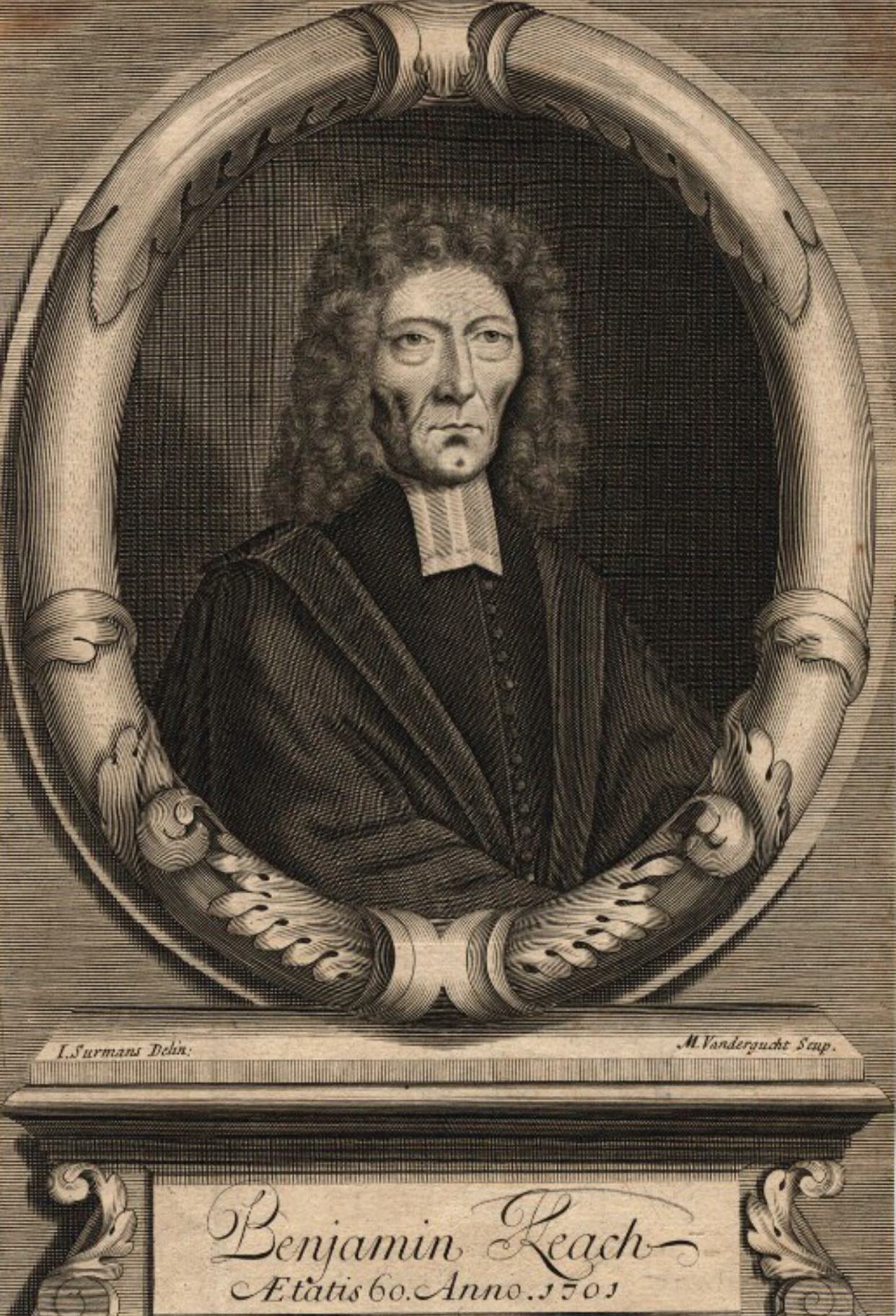
In "Man Compared to a Flower," Benjamin Keach employs the metaphor of a flower to convey the transient nature of human life, emphasizing the mortality and vanity inherent in all human existence. He draws parallels between the stages of a flower's life and the brevity of human life, highlighting that while some may flourish briefly, all ultimately succumb to decay. Key Scripture references include Job 14:2, Isaiah 40:6-8, and 1 Corinthians 15:38, which elucidate the themes of mortality and the hope of resurrection. The article underscores the importance of recognizing the fleeting nature of our earthly existence and the value of being prepared for death as part of the Christian life, aligning with Reformed doctrines concerning human sinfulness and dependence on God's grace.
Key Quotes
“A MAN in his best estate and in every estate is altogether vanity… but a Flower or may be compared to a Flower.”
“So man that is born of a woman is but of few days; his time is but short upon the earth.”
“God knows the best time to crop off or take away by death this and that precious Flower.”
“Though he wither away and die, yet his body is laid but like a seed in the earth… there shall be a resurrection both of the just and unjust.”
What does the Bible say about the transience of man?
The Bible compares man to a flower, emphasizing his fleeting nature and vanity (Job 14:2, Isaiah 40:6).
Job 14:2, Isaiah 40:6
How do we know God's care for His people is true?
God regards His saints as precious flowers, showcasing His immense care and value for them (Hebrews 11).
Hebrews 11
Why is the resurrection important in Christian belief?
The resurrection assures that despite death, believers will rise again in their glorified bodies (1 Corinthians 15:38).
1 Corinthians 15:38
What does it mean that Christians are compared to flowers?
Christians are likened to flowers, indicating their beauty and value in God's sight despite the world's perception (Psalm 45).
Psalm 45
MAN COMPARED TO A FLOWER.
"He cometh up like a Flower, and is cut down," Job 14:2.
"All flesh is grass, and all the goodness thereof as the Flower of the field" Isa 40:6.
A MAN in his best estate, and in every estate, is altogether vanity; so he is in his best days, and in all his days, but a Flower, or may be compared to a Flower.
METAPHOR
I. A Flower hath a root, from whence it grows and springs up.
PARALLEL
I. So all Men have one common root, from whence they spring up, viz., the first Adam.
METAPHOR
II. A Flower springs up out of the earth suddenly, and at first is but a tender bud, fresh and flourishing;
PARALLEL
II. So Man springs up like a Flower, and at first is like a tender bud, fresh and flourishing.
METAPHOR
III. A Flower hath but a little time of continuance; though some abide longer than others, yet most Flowers last not long.
PARALLEL
III. So Man that is born of a woman is but of few days, his time is but short upon the earth; though some continue longer than others, yet generally their days on the earth are but few, in a comparative sense, Job 14:1.
METAPHOR
IV. There are divers sorts of Flowers; some fair to look upon, very lovely to the eye, but of an ill savour.
PARALLEL
IV. So there are divers sorts of men and women; some very fair and amiable to the outward sight, but of an ill and stinking savour in their lives and conversations, in the nostrils of God and all good men, having no grace, and are besides of a perverse and crooked nature.
METAPHOR
V. There are some other Flowers that are not beautiful to the sight, whose nature and virtue is most excellent.
PARALLEL
V. So there are some men and women, who though they be not lovely and beautiful to carnal eyes, yet are of most sweet and gracious dispositions, and whose worth and excellency is exceeding great, Ps 45.
METAPHOR
VI. Great care is taken of some choice and rare Flowers; they are prized at a high rate by such as own them, and know their worth.
PARALLEL
VI. So the saints, who are choice Flowers in God's esteem, are greatly cared for; he esteems them above what men esteem of their choicest Flowers; they are his jewels, and prized by him as his chiefest treasure; of them he hath said, "The world was not worthy," Heb 11.
METAPHOR
VII. Some Flowers greatly magnify the wisdom of their Creator, there being many great rarities to be seen in them.
PARALLEL
VII. So the wisdom of God appears in the creation of Man. He is a curious piece of God's workmanship, in his first make, in respect of his body, but more especially touching his soul. But the greatest rarity that appears in this Flower, shines forth in his second creation, in his being new-made or transplanted into Christ Jesus, whereby he is adorned with all those most transcendent and incomparable gifts and graces of the Holy Spirit.
METAPHOR
VIII. The rarest Flowers grow in gardens; what is a field Flower to some of these?
PARALLEL
VIII. So the best and most choice spiritual Flowers grow in God's garden, the Church. What are those sinful ones, who grow in the field of the world, to some of these?
METAPHOR
IX. A Flower is most beautiful, when it is fully ripe.
PARALLEL
IX. So Christ's choice Flowers, his precious saints, are most lovely and amiable, when they are fully ripe for heaven.
METAPHOR
X. The owner of Flowers knows the best time to crop them, and who shall be offended at him, when he takes to himself this or that Flower out of his garden? He may do what he pleaseth with his own.
PARALLEL
X. So God knows the best time to crop off, or take away by death, this and that precious Flower. Sometimes he cuts them down, before others think they are half ripe; but God knows better than we. He never pulls, nor takes any of his saints unto himself, till he seeth they are fit to die. And who shall be offended at him in what he doth? though he take such out of the Garden, that we would fain have grow still there, because they are such a sweet ornament to it; but may not God do what he pleases with his own?
METAPHOR
XI. Some Flowers are gone on a sudden. Naturalists tell us of a Flower that lasteth but one day; and I have read of others, that fade in the very budding.
PARALLEL
XI. So some die as soon almost as they are born; they are taken away, and fade in the very bud. Also some Christians God crops off, and receives to himself, as soon as they are born again; they come up, and are presently cut down, &c.
METAPHOR
XII. Some Flowers have seed in them, which if sown will produce a Flower again the next spring.
PARALLEL
XII. So Man, though he wither away, and die, yet his body is laid but like a seed in the earth; at spring, viz., in the resurrection day, he shall rise again. Every seed shall have his own body; it shall not be another, but the same body shall arise from the dead: "My dead body shall arise," &c. "There shall be a resurrection, both of the just and unjust," 1Co 15:38; Isa 26:19; Ac 24:15.
INFERENCES.
I. What a fading thing is Man! Let every one from hence learn to make ready to die. Happy are they who are fit and prepared for it; for Man in his beauty and chief flourishing is near unto withering.
II. How fading and transient is all our glory;
III. What fools are mortals to value themselves so high.
IV: How vain a thing is it also to set our hearts inordinately upon our dearest friends. There is mention made of the coming up of this Flower, and of its cutting down, but nothing of its growing. Alas! its standing is so small a time, it is not taken notice of; we are born to die, and we die as soon as we are born.

Comments
Your comment has been submitted and is awaiting moderation. Once approved, it will appear on this page.
Be the first to comment!