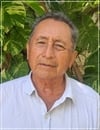
En el sermón titulado "Los Bienaventurados," el predicador Jose Dzul aborda la doctrina de la bienaventuranza, basada en el Salmo 112:1, que establece que “bienaventurado el hombre que teme a Jehová”. Dzul argumenta que este temor no es de miedo, sino un respeto filial que se traduce en deleite por los mandamientos de Dios. Él utiliza diversas escrituras, incluyendo Salmos 65:4 y Juan 10:26-27, para respaldar la idea de que las personas verdaderamente bienaventuradas son las que han sido elegidas por Dios, conocidas por Cristo y cuyo pecado ha sido perdonado completamente. La significancia práctica de este concepto radica en la comprensión de que la verdadera felicidad no proviene de las posesiones materiales, sino de una relación restaurada con Dios, lo que otorga paz y esperanza eterna a los creyentes, incluso en medio de las adversidades.
Key Quotes
“El temor de los hijos de Dios no es miedo, no es terror a Dios. El miedo a Dios o el temor a Dios es amor, es obediencia, es respeto a Dios, un temor filial.”
“Las personas bienaventuradas son las personas que tienen todo para la otra vida.”
“El perdón de pecados está en el Señor Jesucristo. No está en la religión. No está por tu obediencia.”
“Bienaventurado el hombre que puso en Jehová su confianza.”
The Bible states that the blessed man is one who fears the Lord and delights in His commandments (Psalm 112:1).
According to Psalm 112:1, the Bible defines the blessed or happy man as one who fears the Lord and takes great delight in His commandments. This blessedness is not rooted in earthly success or material wealth but in a deep, respectful love for God that manifests as obedience to His word. The biblical understanding of fearing God is not about being terrified, rather it is about having a reverent and filial awe that draws us closer to Him. Thus, the truly blessed individual experiences joy and fulfillment not from worldly possessions, but through a relationship with God.
Psalm 112:1
God's election is true because He sovereignly chooses whom to save, independent of our works (Romans 9:11-12).
The truth of God's election is firmly rooted in scriptures such as Romans 9:11-12, where it is clear that God's choice to save is based solely on His sovereign will and not on any action or merit of those chosen. In the sermon, it is emphasized that God’s election is not a result of human decision or effort, but rather a free act of divine grace where He selects individuals according to His own purpose. This illustrates the profound sovereignty of God over salvation – highlighting that no one can come to Him unless drawn by His Spirit (John 6:44). Thus, the certainty of God's election reaffirms His unchanging love and mercy.
Romans 9:11-12, John 6:44
Faith in Jesus is essential because it leads to eternal life and forgiveness of sins (John 3:16).
Faith in Jesus Christ is of paramount importance for Christians as it is the means through which we receive salvation and enter into eternal life. John 3:16 affirms that God loves the world so much that He gave His only Son so that whoever believes in Him shall not perish but have eternal life. As the sermon highlights, faith is not merely intellectual assent; it involves a personal trust and acceptance of Christ's redemptive work on the cross. This trust assures the believer of forgiveness of sins and reconciliation with God, enabling them to live in the fullness of His grace. Ultimately, faith in Christ transforms the believer's relationship with God and is fundamental for spiritual growth and assurance.
John 3:16
To be justified means to be declared righteous before God through faith in Jesus Christ (Romans 5:1).
Justification is a pivotal doctrine in Reformed theology, indicating that a person is declared righteous before God solely on the basis of faith in Jesus Christ. According to Romans 5:1, being justified means being at peace with God, as we are considered innocent due to Christ's perfect obedience and sacrificial death on our behalf. The speaker emphasizes that this justification is not earned by our works or actions but is a gracious gift from God, illustrating His mercy in not holding our sins against us. Such a legal declaration changes the believer's status from condemned to justified, allowing them to stand before God faultless and free from guilt.
Romans 5:1
We can trust God's promises because they are immutable and rooted in His sovereign character (Hebrews 10:23).
Trusting God's promises is foundational for every believer, as they are guaranteed by His unchanging nature and sovereign will. Hebrews 10:23 encourages us to hold unswervingly to the hope we profess, for He who promised is faithful. The sermon touches upon the importance of being anchored in God’s word and recognizing that His promises reflect His character, which is perfectly good and true. This trust requires us to rest in the assurance that God’s divine providence governs all circumstances of our lives for His glory and our good. Thus, by relying on His Word and character, believers are empowered to face life’s trials with confidence.
Hebrews 10:23
Comments
Your comment has been submitted and is awaiting moderation. Once approved, it will appear on this page.
Be the first to comment!
