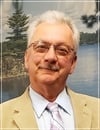
The sermon preached by John Reeves on Hebrews chapter 3 addresses the theological significance of Christ as the Apostle and High Priest of believers' profession. Rev. Reeves emphasizes that true holiness is found in Christ and not in human efforts, highlighting the believer's identity as holy and partakers of a heavenly calling. Central to his argument is the need to consider Jesus as the messenger sent from God, a theme supported by Scripture references such as Hebrews 1:1-2 and John 17:6-8, which affirm Christ's role as the ultimate revelation of God's will. The practical significance of this doctrine stresses that the faithful profession of Christ authentically reflects God's sovereignty and power, suggesting that believers' lives should testify to His redemptive work, reinforcing the Reformed concepts of God's grace and election in salvation.
Key Quotes
“We're holy in the sight of God...Our spirit is perfect. We're in Christ.”
“Consider this one who is my apostle, my high priest, the one that I professed to you to be.”
“You can't get into heaven on your works... You need something perfect to get in there.”
“This is our profession. Salvation, including your belief. It's not your decision.”
The Bible describes our profession as a declaration and witness to who Christ is in our lives.
In Hebrews 3:1, believers are called to consider Jesus Christ as the apostle and high priest of their profession. This means our profession is not just a statement we make; it is a testimony of our faith and a reflection of how we live out our relationship with God. When we proclaim Christ, we are bearing witness to His sovereignty and grace, which should be evident to those around us. Our profession, therefore, acts as a conduit through which others may see God's glory through our lives.
Hebrews 3:1, John 17:6-8
Christ is identified as our high priest in Hebrews 3:1, fulfilling the role with perfect obedience and sacrifice.
Hebrews 3:1 presents Christ not only as our apostle but also as our high priest, emphasizing His unique role in mediating between God and humanity. Unlike earthly priests who had to continually offer sacrifices for their own sins, Christ's once-for-all offering of His blood perfected and sanctified His people. This is supported by further passages in Hebrews that depict Christ entering the holy place with His own blood, securing eternal redemption for us (Hebrews 9:11-14). His qualification as high priest lies in His divine appointment and perfect obedience to the Father’s will.
Hebrews 3:1, Hebrews 9:11-14
Considering Christ is essential for understanding our identity and salvation as believers.
The call to 'consider' Christ in Hebrews 3:1 urges Christians to reflect on who He is and what He has accomplished. This contemplation is crucial because it shapes our understanding of our faith and our relationship with God. When we consider Christ, we recognize that He is the ultimate source of our salvation and the example of perfect faithfulness. This reflection encourages us to submit to His lordship, fosters a deeper appreciation for His grace, and reinforces our commitment to live in a manner that reflects our identity in Him. By focusing on Christ, we are reminded of the narrative of the gospel and the hope that we have as partakers in His calling.
Hebrews 3:1, John 10:11, Isaiah 42:1
Being partakers of Christ means sharing in His grace, calling, and eternal life.
In Hebrews 3:14, the term 'partakers of Christ' signifies a profound union with Him, indicating that believers are not merely associates but share in His life, grace, and calling. This partnership emphasizes our relationship to Christ as being vital and transformative, as we are enabled by the Holy Spirit to live in obedience and faithfulness. It calls us to hold fast to our confidence in Him steadfastly until the end. This assurance not only secures our eternal life but also shapes our conduct and witness in the world, as we exhibit the characteristics of those who belong to Him.
Hebrews 3:14, John 17:2-3
Comments
Your comment has been submitted and is awaiting moderation. Once approved, it will appear on this page.
Be the first to comment!
