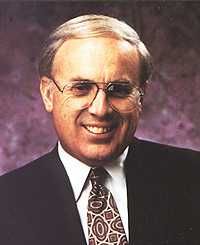
In Pastor John MacArthur's sermon "Questions & Answers #21," he addresses the importance of theological education and the role of pastors as theologians. Central to his message is the call for pastors to engage deeply with Scripture, balancing both exposition and systematic theology to foster their theological growth and that of their congregations. He emphasizes that every pastor must be a lifelong learner, as theology relates directly to preaching and pastoral care, citing Proverbs 1 and 2 as foundational texts on the pursuit of wisdom and understanding. Practical significance lies in the idea that well-equipped pastors can address cultural shifts and moral dilemmas within their congregations, ultimately guiding believers to trust in the authority of Scripture amidst societal pressures.
Key Quotes
“If you're not a theologian, you're not really a pastor.”
“The pastor is the only theologian most believers in the Lord Jesus Christ will ever know.”
“The necessity of thesis and antithesis... It's the opposite.”
“Your hope is not situated in immediate results... it's not done until he calls us home.”
The Bible emphasizes the necessity of preaching to faithfully communicate God's Word to His people.
Preaching is central to the pastoral ministry, as seen in Romans 10:14-15, which states, "How then will they call on Him in whom they have not believed? How will they believe in Him whom they have not heard? And how will they hear without a preacher?" This highlights that preaching is essential for believers to hear the gospel and grow in their knowledge of Christ. Furthermore, the effectiveness of preaching is rooted in the faithful exposition of Scripture, providing believers with biblical truth that enriches their lives and encourages them in their faith journey.
Romans 10:14-15
The doctrine of inerrancy is supported by Scripture's claims that it is God's inspired Word, which is without error.
The truthfulness of inerrancy rests on the Bible's self-attesting claims, such as 2 Timothy 3:16, which proclaims all Scripture as God-breathed and profitable for teaching, reproof, correction, and training in righteousness. Since God is truth and cannot lie, it logically follows that His Word, conveyed through human authors, would also be without error. Moreover, historical and archaeological evidence consistently affirms the reliability of biblical narratives and teachings. Upholding inerrancy protects the integrity and authority of Scripture in the life of the church.
2 Timothy 3:16
Pastors must be theologians to faithfully teach God's Word and guide their congregations in understanding biblical truth.
A theologian’s role is crucial in pastoral ministry as they serve as the primary interpreters of God's Word for their congregation. According to 1 Timothy 3:2, an elder must be "able to teach," which implies significant theological knowledge. This responsibility requires pastors to understand the complexities and nuances of Scripture deeply, enabling them to give sound counsel and build a solid theological foundation within the church. As they engage with various theological perspectives and encourage their congregants to think critically about their faith, pastors help cultivate a community that reflects God’s truth in an increasingly complex world.
1 Timothy 3:2
Comments
Your comment has been submitted and is awaiting moderation. Once approved, it will appear on this page.
Be the first to comment!
