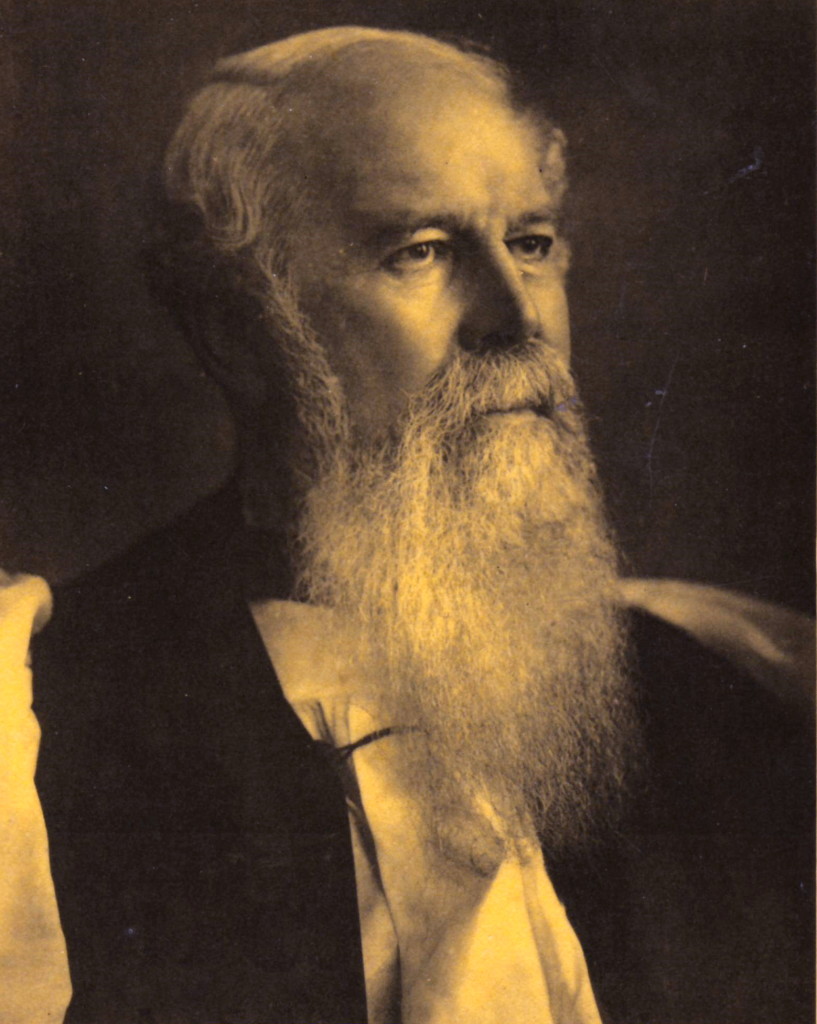
In J.C. Ryle’s sermon titled "Only One Way -- Christ!", the primary theological topic is the exclusivity of salvation through Jesus Christ. Ryle emphasizes that the Apostle Peter's declaration in Acts 4:12, "Salvation is found in no one else," reinforces the Reformed doctrine of Sola Christus, underscoring that only through Christ can one be justified before God. He argues compellingly that mankind's inherent sinfulness necessitates a perfect Savior, who is uniquely qualified to reconcile humanity with God—thus no alternative routes to salvation exist. This assertion is bolstered by references to John 14:6 and various scriptures, culminating in a conviction that true peace and salvation are found solely in Christ's atoning sacrifice. The practical significance of this doctrine is profound; believers are called to recognize both the urgency of sharing the gospel and the necessity of maintaining Christ's centrality in their faith to ensure the integrity of their salvation.
Key Quotes
“Only one hiding place for sinners who want to escape the storm of God's anger. They must hide their souls in Christ.”
“There must be a mediator, an atonement, an advocate to make such poor sinful creatures acceptable with God. And I find this nowhere except in the person of Jesus Christ.”
“If there is no salvation except in Christ, then make sure that you have an interest in that salvation yourself.”
“When we become tired of preaching Christ, then we are false ministers.”
The Bible teaches that salvation is only found in Jesus Christ, as emphasized in Acts 4:12.
Acts 4:12 states, 'Salvation is found in no one else, for there is no other name under heaven given to men by which we must be saved.' This declaration by the Apostle Peter underscores the belief that no one can escape sin, guilt, or the coming wrath of God apart from Jesus Christ. Throughout the scriptures, this message is repeatedly affirmed; Jesus Himself proclaimed, 'I am the way and the truth and the life. No one comes to the Father except through me' (John 14:6). This truth reflects the unity and consistency of the biblical message regarding salvation—it is only through faith in the person and work of Jesus Christ that reconciliation with God is achieved.
Acts 4:12, John 14:6
We know Jesus is the only way to salvation because scripture consistently affirms this truth across both the Old and New Testaments.
The doctrine that Jesus is the only way of salvation is supported by a multitude of scripture passages. Peter's bold declaration in Acts 4:12 clearly states that no other name is given for salvation. Additionally, from Genesis to Revelation, the Bible presents a united theme: redemption through the Messiah, Jesus Christ. Every sacrificial system in the Old Testament pointed towards Christ (e.g., the Passover lamb, the scapegoat), while the New Testament confirms His role as our atoning sacrifice. Furthermore, the apostle Paul writes in 1 Corinthians 3:11, 'For no one can lay any foundation other than the one already laid, which is Jesus Christ.' These cumulative scriptural affirmations solidify the truth of Christ as the sole means of salvation.
Acts 4:12, 1 Corinthians 3:11
Believing Jesus is the only way to salvation is crucial as it assures Christians of their faith and the exclusivity of grace through Him.
The belief that Jesus is the only way to salvation is not merely doctrinal; it is foundational to the Christian faith. This truth affirms the grace of God and highlights the necessity of Christ's sacrificial work on the cross for the redemption of sinners. If salvation could be attained through multiple avenues, the core message of the gospel would be undermined. For most Christians, this understanding influences their evangelistic efforts, fostering a sense of urgency to share the gospel, as they understand that without Christ, souls remain in peril. Moreover, recognizing the uniqueness of Christ reassures believers of the certainty of their hope and the completeness of their redemption, knowing they have access to the Father through Him alone.
John 14:6, Acts 4:12
Believing in salvation through Christ only leads to a proper understanding of grace and the urgency to share the gospel.
The conviction that salvation is found in Christ alone bears significant implications. Firstly, it establishes a clear demarcation within the spectrum of religious belief; any notion of salvation apart from Christ is inherently flawed and dangerous. This belief generates a sense of urgency and responsibility among Christians to share the gospel with those who do not know Him. Furthermore, it encourages believers to be vigilant against theological errors that dilute the message of grace by suggesting that additional actions or figures are necessary for salvation. Ultimately, acknowledging Christ as the sole Savior leads to a vibrant faith that seeks to glorify Him in every aspect of believers' lives, uniting them in a shared mission to proclaim the truth of the gospel.
John 14:6, Acts 4:12, Romans 10:14-15
Comments
Your comment has been submitted and is awaiting moderation. Once approved, it will appear on this page.
Be the first to comment!
