Bootstrap
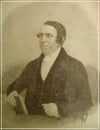
James Smith

He smote her with a disease which deprived her of strength, destroyed her beauty

Hebrews 12; Psalm 119:75
James Smith • March, 21 2011 • Audio
0 Comments
James Smith
James Smith • March, 21 2011
Choice Puritan Devotional

In the sermon "He smote her with a disease which deprived her of strength, destroyed her beauty," James Smith addresses the doctrine of divine discipline as a means through which God lovingly instructs His people. He presents the key argument that affliction is not merely punitive but serves a transformative purpose, leading to humility and a renewed focus on spiritual matters. Smith supports this assertion with Scripture, particularly referencing Hebrews 12:10, which emphasizes that God disciplines for our goodness, allowing believers to share in His holiness, and Psalm 119:75, which articulates the faithfulness of God in affliction. The practical significance of this message lies in the understanding that hardships can lead to spiritual growth and renewed dependence on God, showcasing His loving initiative in correcting wayward hearts and refining character.

Key Quotes

“As God loves His people with an everlasting love, He takes the deepest interest in their welfare and rejoices to do them good.”

“But love can frown as well as smile, rebuke as well as commend, and God's rebukes are often very pointed and very sharp.”

“It was good for me to be afflicted, so that I might learn your decrees.”

“This was a loving rebuke from her heavenly Father.”

What does the Bible say about God's discipline?

God disciplines His children for their good and holiness, as seen in Hebrews 12:10.

The Bible teaches that God's discipline is an expression of His love and faithfulness. In Hebrews 12:10, we learn that He disciplines us for our good, that we may share in His holiness. This concept is echoed in Psalm 119:75, where it acknowledges that afflictions are part of God's faithful love towards His people. Such discipline is aimed at turning us away from sin and towards a deeper relationship with God, demonstrating His desire for our spiritual growth and well-being.

Hebrews 12:10, Psalm 119:75

Why is God's rebuke important for Christians?

God's rebuke is important because it leads to repentance and spiritual growth.

The rebuke of God serves as a vital mechanism for spiritual renewal and growth among Christians. Revelations 3:19 states that God loves us and rebukes and chastens those He cares for. This loving correction is essential as it brings us back to humility, encouraging a deeper dependence on God. The narratives of Mary Scott and Eliza Brown illustrate how afflictions can transform one's heart from pride or worldliness to spiritual fervor and dependence on God’s grace, ultimately leading to greater holiness and a focus on eternal life.

Revelation 3:19

How do we know that God cares for us during afflictions?

God's care during afflictions is shown through His loving discipline, which leads to spiritual growth.

God's care is evident in the way He addresses our sins through affliction. As indicated in Psalm 119:67, sometimes we stray from His path, but afflictions serve as His corrective hand, calling us back to obedience and learning His decrees. While trials may seem harsh, they are ultimately designed for our good, to instill humility and spiritual insight, as seen through the examples of believers who transformed from worldly pursuits to a deep appreciation for God's legislation and promises of eternal life. This faithfulness demonstrates His unwavering love for His children.

Psalm 119:67, Psalm 119:71

Sermon Transcript

Auto-generated transcript • May contain errors

100%
He smote her with a disease which deprived her of strength, destroyed her beauty, and left her deformed. By James Smith, Loving Rebukes, 1858.

I know, O Lord, that in faithfulness you have afflicted me. Psalm 119, 75. God disciplines us for our good, that we may share in His holiness. Hebrews 12, 10.

As God loves His people with an everlasting love, He takes the deepest interest in their welfare and rejoices to do them good. But love can frown as well as smile, rebuke as well as commend, and God's rebukes are often very pointed and very sharp. As many as I love, I rebuke and chasten. Revelation 3.19

Mary Scott was in a good situation, enjoyed many privileges, and was doing well, but she got vain, dressy, and carnally minded. She thought too much of earthly things, and too little of heavenly things, and at length you could discern but little difference between her and the world. The Lord then laid His afflictive hand upon her. She fell sick, had to leave her pleasant situation, her little all was soon spent, and she is now poor and totally dependent on friends.

But God has attended the painful dispensation with His blessing, so that she is now humble, spiritual, and heavenly-minded. Worldly things have lost their charms, and spiritual things appear all-important. She now deeply deplores her former worldly cause. Her Bible is now her precious companion, and she finds sweet access to God at the throne of grace. She now looks forward to heaven, rejoicing that there shall be no more pain, nor sorrow, nor crying. She often blesses God for her affliction.

This was a loving rebuke from her heavenly Father.

Eliza Brown was naturally proud and high-minded, and thought only of her figure and personal attractions. Being brought to know the Lord, for a time she walked wisely and was happy in God, but she gave way to her natural besetting sin of pride, carried her head high, and her heart became haughty. She soon lost the humility that was manifest in her life. Meekness and gentleness seemed to forsake her, and she became spiritually dry and barren. For a time this was allowed to continue, but at length the Lord came forth to rebuke her.

He smote her with a disease, which deprived her of strength, destroyed her beauty, and left her deformed. At first, her heart rose in opposition to God. She kicked like a wild bull caught in a net and spoke harshly of God. But the Lord followed her. with stroke upon stroke, until at length her proud spirit yielded, she fell down before God, confessing her sin, and mourning over her rebellious feelings. Then the Lord sweetly breathed upon her soul, and she felt a sweet peace of mind, her heart melted like wax before the fire, And she cried, Lord, do with me as seems good to you. Meekness, humility, submission, and acquiescence in the will of God now characterize her. And though at times she finds the old feelings arise, and her natural pride work, she daily seeks grace from God to crucify the flesh with its affections and lusts.

This was a loving rebuke from her heavenly Father.

Before I was afflicted, I went astray, but now I obey your word. Psalm 119.67 It was good for me to be afflicted, so that I might learn your decrees. Psalm 119.71
Broadcaster:

Comments

0 / 2000 characters
Comments are moderated before appearing.

Be the first to comment!

Joshua

Joshua

Shall we play a game? Ask me about articles, sermons, or theology from our library. I can also help you navigate the site.

0:00 0:00