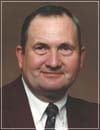
The sermon "God's Pursuit of Zacchaeus" by Carroll Poole explores the doctrines of divine sovereignty and effectual calling within the context of the biblical narrative of Zacchaeus in Luke 19:1-10. Poole argues that God's actions, not human efforts, drive the pursuit of the lost, emphasizing that Zacchaeus's desire to see Jesus was divinely instilled. He illustrates this with a comparison of Jericho as a cursed city from Joshua 6, linking it to the sin-cursed world where Christ, as the sinless Jew, actively seeks sinners. Key Scriptures discussed include Luke 19:10, emphasizing that Jesus came to seek and save the lost, and John 6:44, which underscores the necessity of God's drawing in the salvific process. Poole emphasizes the doctrine of irresistible grace, affirming that true conversion involves a joy-filled response to Christ's effectual call, which indicates the necessity of God's initiative in salvation.
Key Quotes
“It makes a lot of difference how you read this Bible. If you read it as something man's doing or something God's doing.”
“God will bless what he's prescribed. He blesses obedience to his word.”
“No one is saved without this effectual, personal call to the heart.”
“Christ Jesus came into the world to save sinners.”
The Bible teaches that God's grace is essential for salvation, as it is by grace that we are saved through faith (Ephesians 2:8-9).
God's grace is the unmerited favor of God towards sinners, and it is crucial in the process of salvation. Ephesians 2:8-9 explicitly states that we are saved by grace through faith, not of ourselves; it is the gift of God. The story of Zacchaeus illustrates this beautifully as Jesus comes to seek and save the lost, showing that no one can approach God without His grace first drawing them. In John 6:44, Jesus confirms this by saying that no one can come to Him unless the Father draws them. This underscores the reality that salvation is not a human endeavor but a divine initiative fueled by God's grace.
Ephesians 2:8-9, John 6:44
God's sovereignty is evident throughout Scripture, which affirms that He works all things according to the counsel of His will (Ephesians 1:11).
The sovereignty of God is a foundational doctrine that asserts God is supreme and has control over all events in the universe. Ephesians 1:11 states, 'In Him we have obtained an inheritance, having been predestined according to the purpose of him who works all things according to the counsel of his will.' This verse affirms that nothing happens by chance; rather, it is all under God's sovereign control. The account of Zacchaeus further exemplifies this, as Jesus' interaction with him was a preordained event that highlights God's meticulous planning and execution of His will to save the lost. Throughout Scripture, from creation to redemption, God's sovereignty remains constant and unchallenged.
Ephesians 1:11
Understanding God's effectual calling is vital as it emphasizes that salvation is solely God’s work, not reliant on human decision-making.
God's effectual calling is a significant doctrine in Reformed theology. It asserts that when God calls an individual to salvation, that call is effectual; it results in the person coming to faith. This means that God's calling is not just an invitation but an actual enablement to respond positively to the gospel. For example, in the case of Zacchaeus, Jesus called him by name, and this personal call from Christ led to his transformation. This concept highlights that we do not invite Jesus into our lives; rather, He invades our hearts and compels us to come to Him. Recognizing this helps Christians understand the depth of their own salvation and fosters humility and gratitude toward God's initiative in their lives.
Acts 2:39, John 10:3
Comments
Your comment has been submitted and is awaiting moderation. Once approved, it will appear on this page.
Be the first to comment!
