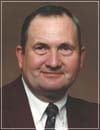
In the sermon titled "Providence," Carroll Poole addresses the doctrine of God's providential sovereignty, primarily through the lens of Romans 8:28. Poole argues that "all things work together for good" is a truth known only through faith, not mere intellectual acknowledgment. He emphasizes that the "good" referenced by Paul is not subjective but tied to believers being conformed to the image of Christ, as outlined in Romans 8:29. The preacher distinguishes God's foreknowledge and predestination, asserting that God's sovereign purpose orchestrates all events in the lives of His children, contrary to views of deism or chance. The practical significance is a profound encouragement for believers to trust in God's unchanging and purposeful governance of their lives, regardless of outward circumstances or personal limitations.
Key Quotes
“This is a statement of faith. We know we know by God given faith.”
“God is king over his creation.”
“You can trust God. ... For God's children, it's on purpose and in God's purpose every time.”
“In all thy ways acknowledge Him. He shall direct thy paths.”
The Bible describes God's providence as His unceasing activity and work in the affairs of men, particularly in the lives of His children.
God's providence is the theological concept that emphasizes His sovereignty over all creation. It means that God is actively involved in our lives, orchestrating events and circumstances according to His divine will. Romans 8:28 tells us that 'all things work together for good to them that love God, to them who are the called according to his purpose.' This underscores the idea that even when circumstances seem bleak or contrary to our understanding, God is at work fulfilling His purposes for His chosen people. His providence ensures that everything that touches our lives has a specific purpose, whether it be seen as good or bad from our perspective.
Further, we must understand that God's providence is not just a passive oversight but an active engagement. It is grounded in His omniscience and omnipotence, meaning He knows all things and has the power to execute His will without failure. The examples from Scripture and history illustrate this pervasive care and guidance. For instance, God's orchestration in the life of Joseph highlights how his trials ultimately led to a greater good for the nation of Israel. Thus, recognizing God's providence is crucial for Christians as it assures us that He is always working towards our ultimate good and His glory.
Romans 8:28, Genesis 41:32, Philippians 1:12
We know God's providence is true through Scripture and by faith that confirms His character and promises.
The assurance of God's providence is deeply rooted in the authority of Scripture and the historical testimonies of His involvement in the lives of believers. Romans 8:28 provides a foundational truth, stating, 'And we know that all things work together for good to them that love God,' highlighting the certainty that believers have in God's active role in their lives. This 'knowing' is not based on human reasoning but is an impartation of faith given by God Himself. It is a spiritual understanding that allows Christians to recognize that God is at work, even when circumstances suggest otherwise.
Moreover, historical accounts from Scripture, such as Joseph's story, further affirm God's providential care. The unfolding of events in Joseph's life—from betrayal by his brothers to his rise in Egypt—illustrates how God's plan was executed through seemingly adverse situations. Embracing this faith informs our understanding of God’s unchanging nature. His omniscience, omnipotence, and benevolence ensure that His providence is not only true but serves a divine purpose in the lives of His people. Trust in these truths is essential for a believer's peace and assurance.
Romans 8:28, Psalm 1830, Genesis 41:32
Trusting in God's providence helps Christians navigate life's challenges with faith and confidence in His ultimate goodness.
For Christians, trusting in God's providence is foundational to their faith and spiritual well-being. It provides a framework for understanding the trials and tribulations of life through the lens of divine purpose. Romans 8:28 assures believers that 'all things work together for good,' which fosters a deep sense of peace amidst uncertainty and suffering. When Christians recognize that every aspect of their lives is held within God's sovereign control, it allows them to face difficulties with hope and confidence rather than despair.
Additionally, understanding and trusting in God's providence encourages believers to acknowledge God's hand in both the good and the seemingly bad experiences, knowing that He has a purpose for everything that occurs in their lives. Thomas Watson once said, 'God is to be trusted even when his providences seem to run contrary to his promises.' This reliance leads to spiritual maturity and resilience, as believers learn to depend on God's timing and methods, which often transcend human understanding. Therefore, a Christian's trust in God's providence is not merely theological but a practical necessity for living a life grounded in faith.
Romans 8:28, Psalm 3115, Proverbs 3:5-6
Comments
Your comment has been submitted and is awaiting moderation. Once approved, it will appear on this page.
Be the first to comment!
