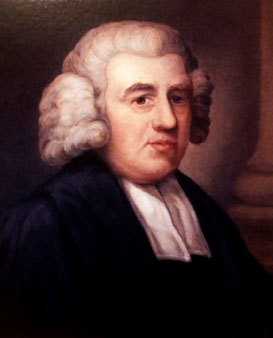
In the sermon titled "True Patriotism," John Newton addresses the theological concept of the believer's identity as citizens of a heavenly kingdom, emphasizing the futility of political involvement compared to the proclamation of the gospel. Central to his arguments is the assertion that Jesus' kingdom is not of this world, as underscored by references such as John 18:36, where Christ indicates that His servitude does not engage in worldly disputes. Newton argues that true patriotism is found in spiritual engagement through prayer and the proclamation of sin as the root of societal issues, rather than seeking political reforms. He references Colossians 1:13-14 to highlight the believer's deliverance from darkness and their citizenship in God's eternal kingdom. The practical significance of this teaching is a call for Christians to prioritize spiritual matters over transient political concerns, reinforcing their role as strangers and pilgrims on earth.
Key Quotes
“True patriotism... is to sigh and cry for our abounding abominations and to stand in the breach by prayer that God's wrath may yet be averted.”
“My kingdom is not of this world... If my kingdom were of this world, my servants would fight.”
“Those are to be greatly pitied who boast of their liberty, yet they do not consider that they are in the most deplorable bondage as the slaves of sin and Satan.”
“If I had the wisdom or influence to soothe the angry passions of mankind, I would greatly employ them. But I am a stranger and a pilgrim here in this world.”
True patriotism involves pointing out sin and engaging in prayer, focusing on God's kingdom rather than worldly politics.
The Bible teaches that true patriotism is not about political involvement but about recognizing our identity as citizens of a heavenly kingdom. In John 18:36, Jesus states, 'My kingdom is not of this world,' directing our focus away from earthly affairs and towards spiritual realities. True patriots, according to Scripture, are those who see themselves as strangers and pilgrims on earth, engaging in prayer and pointing out sin as the root of societal issues, as highlighted in Psalm 35:19. This aligns with a call to guide fellow believers to labor in the fight against sin rather than being distracted by temporary political strife.
Colossians 1:13-14; John 18:36; Psalm 35:19
Jesus explicitly says in John 18:36 that His kingdom is not of this world, emphasizing a distinction between earthly and heavenly realms.
In John 18:36, Jesus asserts, 'My kingdom is not of this world,' which underscores the profound truth of the Christian faith that believers belong to a spiritual realm that transcends earthly politics. This delineation is crucial because it affects how Christians engage with the world around them. Understanding that our primary allegiance lies with the kingdom of God encourages believers to prioritize spiritual growth and evangelism over political debates. This view encourages Christians to live out their faith in ways that reflect their ultimate citizenship, which lies in heaven.
John 18:36
Focusing on sin helps Christians understand the source of evil and engage in the spiritual battle through prayer and gospel proclamation.
Focusing on sin is vital for Christians because it reveals the underlying cause of the world's troubles, enabling believers to address not just symptoms but root issues. John Newton emphasizes this by calling the faithful to 'point out sin as the great cause and source of every existing evil.' This perspective fosters a deeper reliance on God through prayer, which is essential for averting His wrath and seeking mercy for the nation. It also encourages the church to proclaim the gospel, the only remedy for sin, thus equipping believers to effectively minister to others in desperate need of redemption.
Colossians 1:13-14; Psalm 35:19
Christians are called to prioritize the gospel and prayer over political involvement, as their true citizenship is in heaven.
Christians are instructed to respond to political issues by focusing on their mission to preach the gospel rather than getting entangled in worldly politics. Newton articulates that as citizens of a heavenly kingdom, Christians should not engage in political reforms that distract from their primary calling. Instead, they should be known as 'the quiet in the land,' engaging quietly in prayer and seeking to point others towards Christ. This reflects the belief that true patriotism is found in spiritual service and the proclamation of God's kingdom, which far outweighs any earthly political enterprise.
Luke 9:60; John 18:36
Comments
Your comment has been submitted and is awaiting moderation. Once approved, it will appear on this page.
Be the first to comment!
